Graduate with Confidence Knowing You Chose the Best Chiropractic School
Northwestern Health Sciences University (NWHSU) prepares you to succeed in the growing chiropractic field. With the highest composite score when combining graduation and board pass rates, you can feel confident in your education at NWHSU.
Beyond our scores, we think you’ll love your NWHSU education. Here we’re advancing a better way: to practice, to learn, and to grow. You can expect:
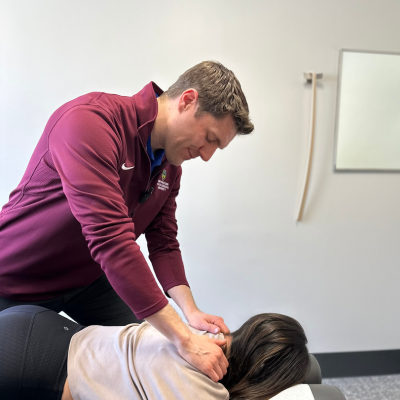
- An evidence-informed curriculum is focused on preparing you for clinical practice. In NWHSU classes you’ll never ask “why am I learning this?”
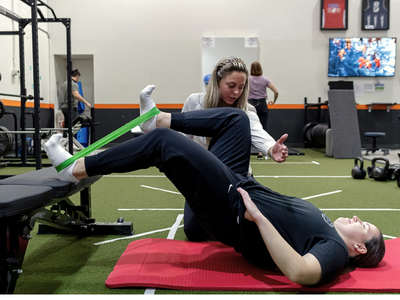
- A leading sports and rehabilitation emphasis. We’ve launched careers supporting Olympic and professional athletes.
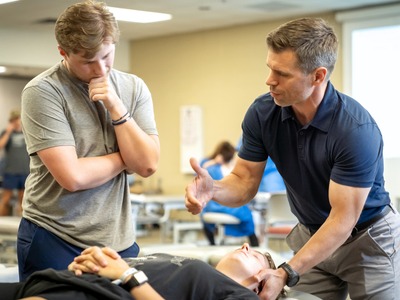
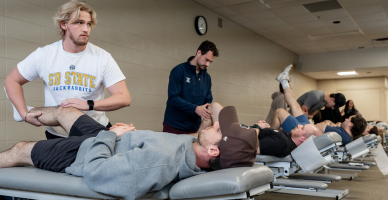
- More clinical experience, starting day one. You’ll gain hands-on experience every trimester, with extensive opportunities to pursue community-based internships.
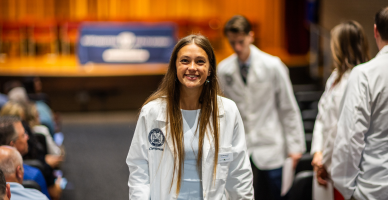
- A safe, welcoming campus community. You’ll find ample clubs and social opportunities on our quiet, nature-filled suburban campus.
- Preparation for your future, with a lifetime of support. You’ll feel prepared to buy or start your own practice, or to successfully navigate your contract as an associate.